Les Belles
When discussing Shaw Brothers films it’s easy to fall into the trap of comparing them directly with their Western counterparts. In my review of Enchanting Shadow I started down that path by mentioning how its scares were inferior to Western scares. What’s important to keep in mind is that Shaw was not trying to create Western films but films that would sell to their markets: Hong Kong, China, Taiwan and south-east Asia. Watching Shaw Brothers (or any foreign film) as pure mimicry is a path to failure. They must be seen as local products that drew from popular culture.
But Les Belles almost demands to be seen a mimic. A plot from Shop Around The Corner (or the later remakes In The Good Old Summertime and You’ve Got Mail) and style straight from Hudson/Day rom-coms like Pillow Talk. If it weren’t in Mandarin it would be hard to differentiate it from any number of late-50s, early 60s fluff romances made by Hollywood.
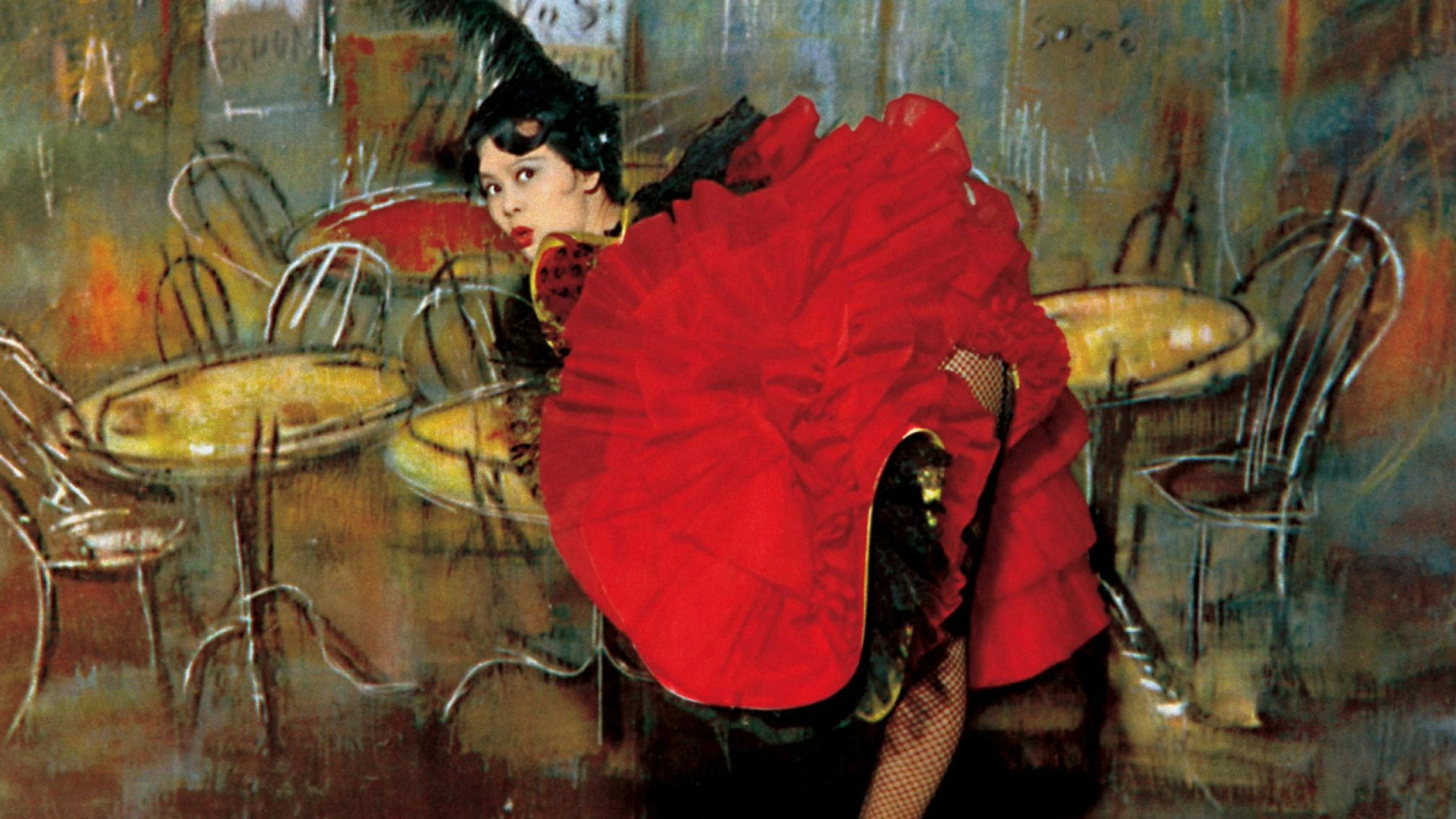
Yet for all of this, um, reimagineering, the film remains distinctly Chinese and targets the usual Shaw markets. The American-style musical numbers – with each dancer moving to her own unique rhythm – reveal the low importance of recreating Western styles. But the Chinese opera numbers – along with the odd “Tribute to Asia!” dance revue – feature stronger choreography and design suggesting their greater importance. Les Belles uses a typical shotgun approach from Shaw; the flashy and noisy Western routines may catch people’s eyes but the elegant and praticed Chinese numbers sell the film.
Beyond the new musical styles and pop-modern setting, Les Belles was also an early foray by Shaw into the formats that would define their style, crystal clear color and cinemascope framing. They may have been still been working out the kinks. Scenes occasionally become soft or downright blurry. This could be a problem with the DVD transfer however.
After endless tragic historical operas this up-beat musical modern musical garnered a lot of acclaim for Shaw Brothers winning several awards. But despite the film’s success its Western style did not replace the more Chinese operas and romances that were the dominant genre at the time. It wasn’t until the mid-60s, when modern romances and swordplay films like The Blue And The Black and Come Drink With Me gained in popularity, that the operatic Chinese romance began to fade from Hong Kong screens. Shaw Brothers, like any intelligent business, sold what the public wanted.
Ian Whitney
Published: 2004-03-07