Come Haunt With Me
Sit Kwan is a bit of a mystery. Online sources provide almost no biographical details beyond the basics: born in China, moved to Hong Kong after the war, worked in Cantonese film in the 1950s and early 60s, joined Shaw Brothers in 1964, left Shaw Brothers in 1971, retired shortly there after. The Shaw Screen barely mentions him at all, saying only that his film The Knight of Knights didn’t make much money.
During his 8 years with Shaw Brothers he directed 9 movies. And one of those, Between Tears and Laughter, doesn’t really count because the studio credited all of their directors with that movie. Before Come Haunt with Me he hadn’t directed a movie for the studio in 3 years, during which the studio had released over 90 films. While most Shaw Brothers directors averaged 3 movies a year, he’d directed 0.
What was he doing during that time? And why did a studio so maniacally focused on extracting work from their employees not seem to mind Sit Kwan’s sparse output? Like I said, it’s a mystery.
Returning to directing after three years of doing whatever, Sit Kwan reteams with The Enchanted Chamber’s screenwriter Lam Chung to make a slightly tweaked version of … The Enchanted Chamber. While their earlier effort had focused on the horrific aspects of fox spirits and vengeful ghosts this one features more comedy. The scholars are more bumbling and the ghosts are more interested in sex than in scares. The whole movie wraps up with the moral of “Fox spirits be horny.”
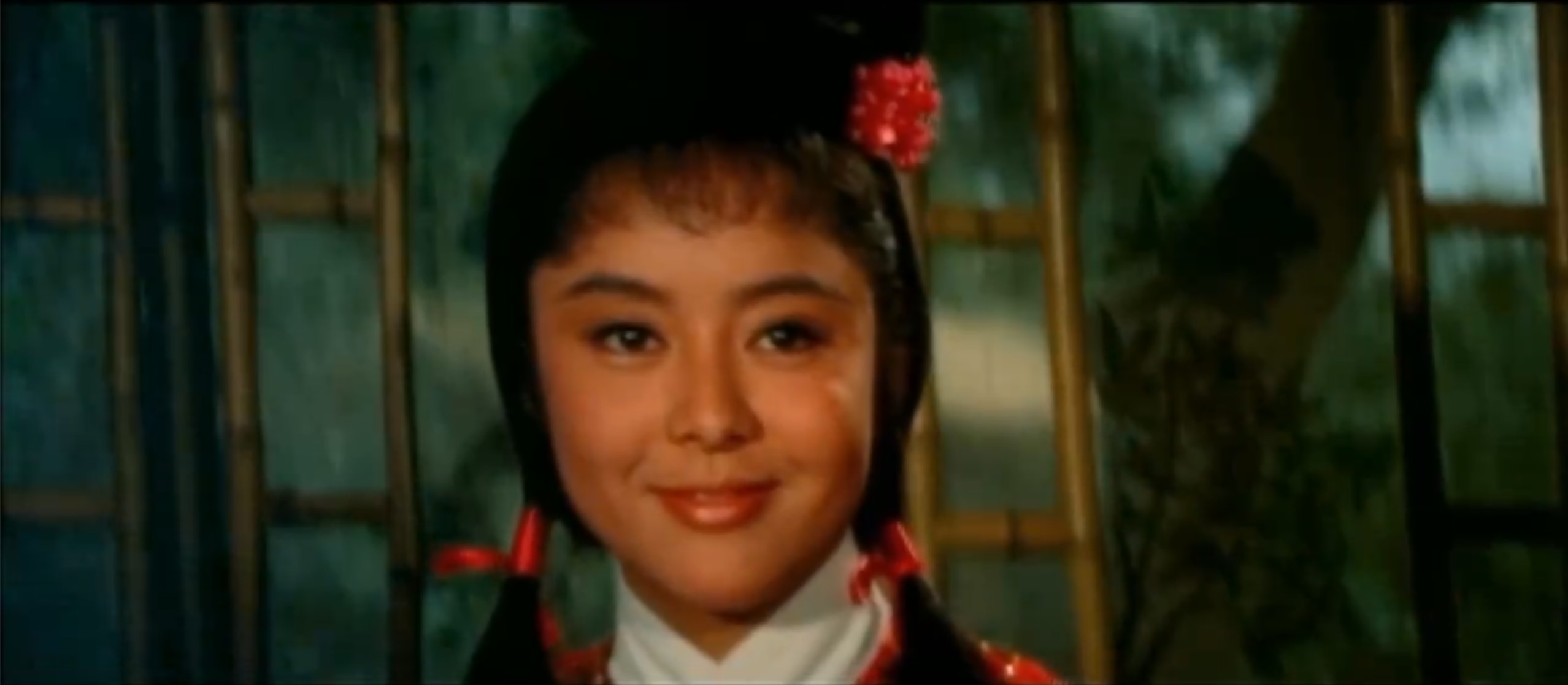
If a movie about horny ghosts reminds you of A Chinese Ghost Story, then yeah, you’re right. So much of of the DNA of movies like A Chinese Ghost Story and Encounter of the Spooky Kind shows up here. It just needs some tweaking. Instead of one experienced master and his bumbling assistant, Come Haunt has no master and two assistants who take turns being bumbling or competent. The required Hot Ghost is ably played by Margaret Hsing-Hui, but her character lacks the tragic backstory that’s so central to the romantic frisson.
But the pieces are all so clearly ready to be assembled that it would boggle my mind if Tsui Hark and Sammo Hung had not seen this movie or its predecessor. These two movies are so distinct from previous versions of these tales and from the other movies being released at the time and so similar to their descendants that the family resemblance is undeniable. Sit Kwan, whatever your deal was, I’m glad you got to make these movies.
Ian Whitney
Published: 2026-08-30