Shaw Brothers in 1971
After a few quiet years atop the box office Shaw Brothers had a tumultuous time in 1971. The year overturned the studio and became one of the most important in the studio’s entire history, and maybe one of the most important years in Hong Kong film.
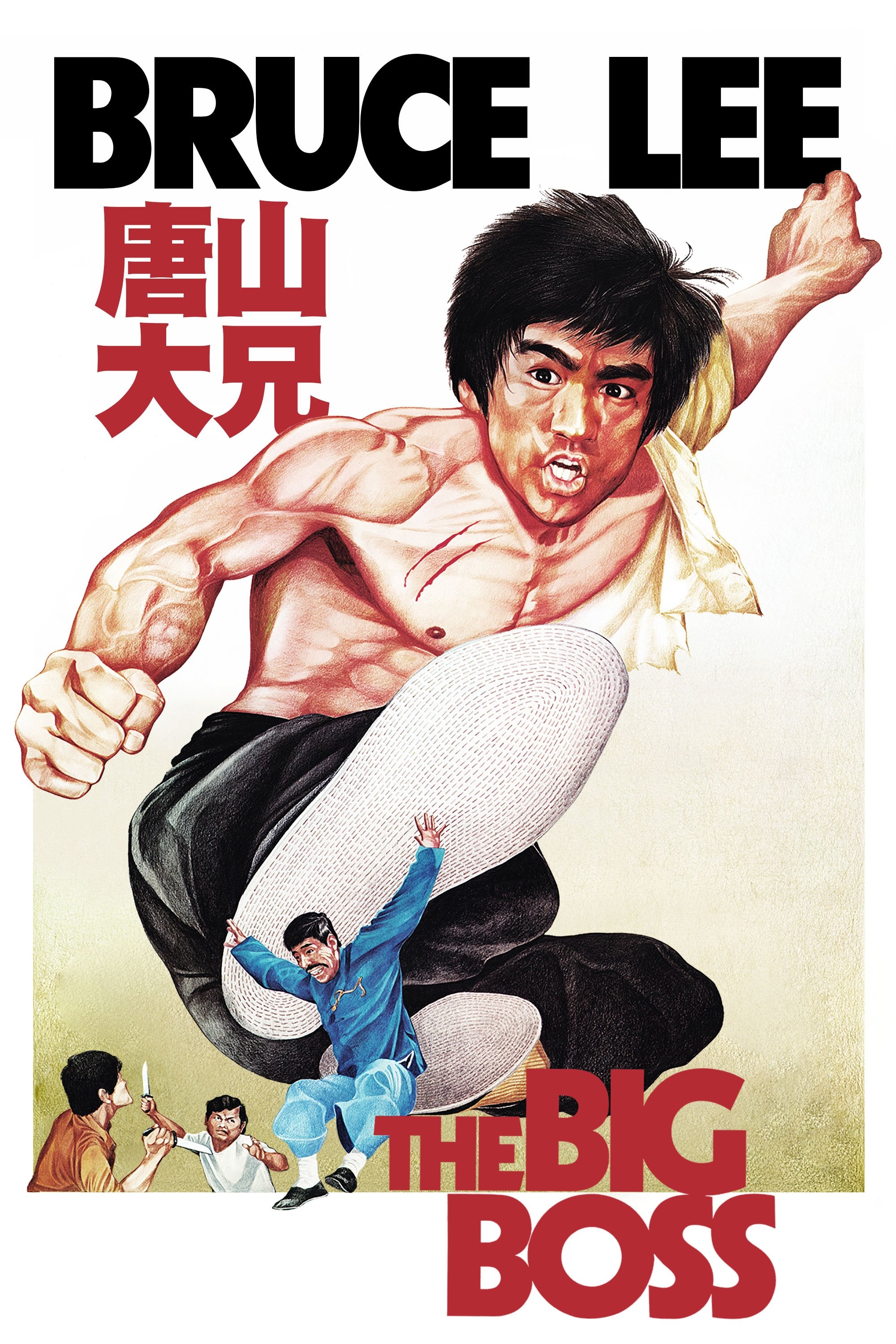 The undisputed box office champ
Two of the reasons for the upheaval are obvious: Golden Harvest and Bruce Lee. Others are more subtle, yet challenged the studio’s very economic foundations. And other massive changes are lurking on the edges, just starting to make their presence known before turning the entire Hong Kong film industry inside out. It was a busy, busy year.
If you just looked at the studio’s output for the year nothing would seem terribly out of place. They released 38 films, a moderate increase from the 35 the released in 1970. Of those 38, slightly more are set in the ‘classical’ period (21) versus set in the ‘modern’ era (17).
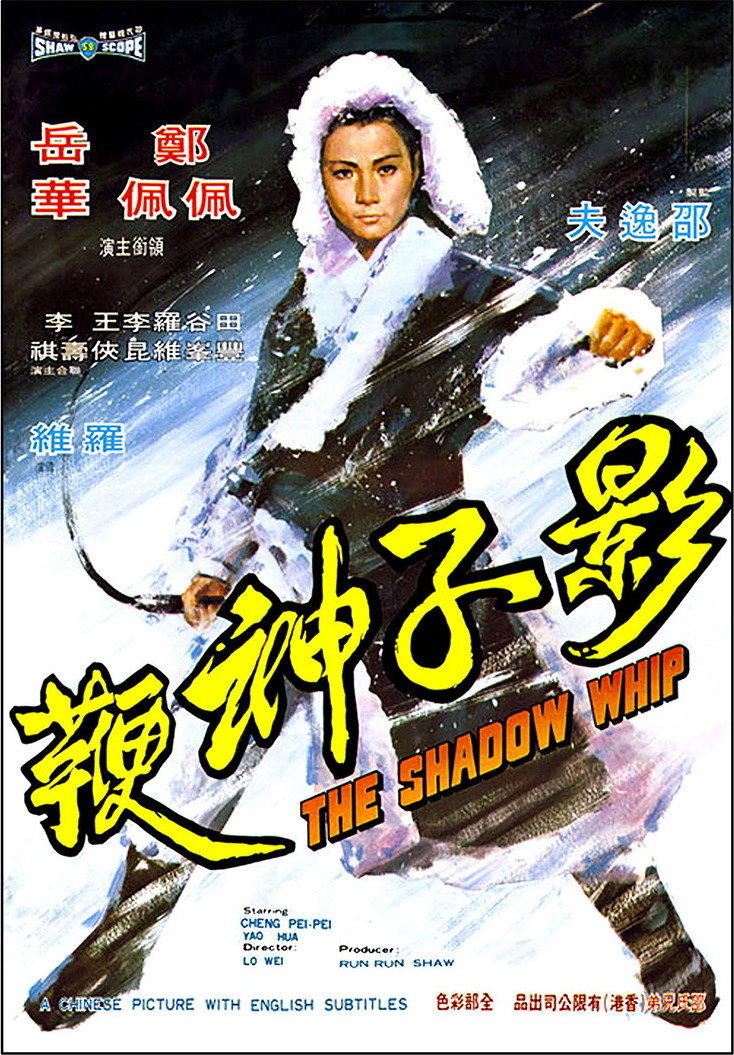 Wuxia poster design was a strength
Of the Classical movies, all but one are wuxia, as the wuxia craze was still going strong. Some of these movies have sequences of unarmed combat or other traditional ‘kung fu’ movie tropes. But they are largely still swordplay wuxia.
The Modern movies are more varied. Six of them are romance/comedy/musicals (frequently a mix of all three). Five of them are tragic melodramas. The remaining six are action movies. Some of these action films, like Duel of Fists, are unarmed kung fu movies. While others are more focused on guns or knives.
 Lily Ho paving the way for the "Girls with Guns" genre
Missing from the slate this year are the seamier crime movies that appeared in 1969 and 1970. The Lady Professional is maybe the closest, but it’s more a pure action film than an exploitation film. But don’t worry, sex still made plenty of appearances in Shaw’s modern comedies. Former (and future) Shaw director Li Han-Hsiang directed his first hugely successful sex comedy in 1971 and the market will follow that money for years to come.
If the makeup of Shaw’s 1971 films was not that different from their 1970s work neither was the economic return. 29 of Shaw’s 38 films were in the top 50 box office earners for the year, similar to their 30 most-successful 1970 films.
But for the first time in at least two years none of them held the top spot.fn1 That belonged to Bruce Lee and Golden Harvest for The Big Boss. All eight of Golden Harvest’s 1971 releases appear on the top 50 box office list. While only two of them are in the top 10 it’s still an impressive start for a new studio. And to have one of those films make almost twice what the second place film made is astounding. Just the year before, The Chinese Boxer became the first HK film ever to make more than 2 million HKD. The Big Boss made over 3 million.
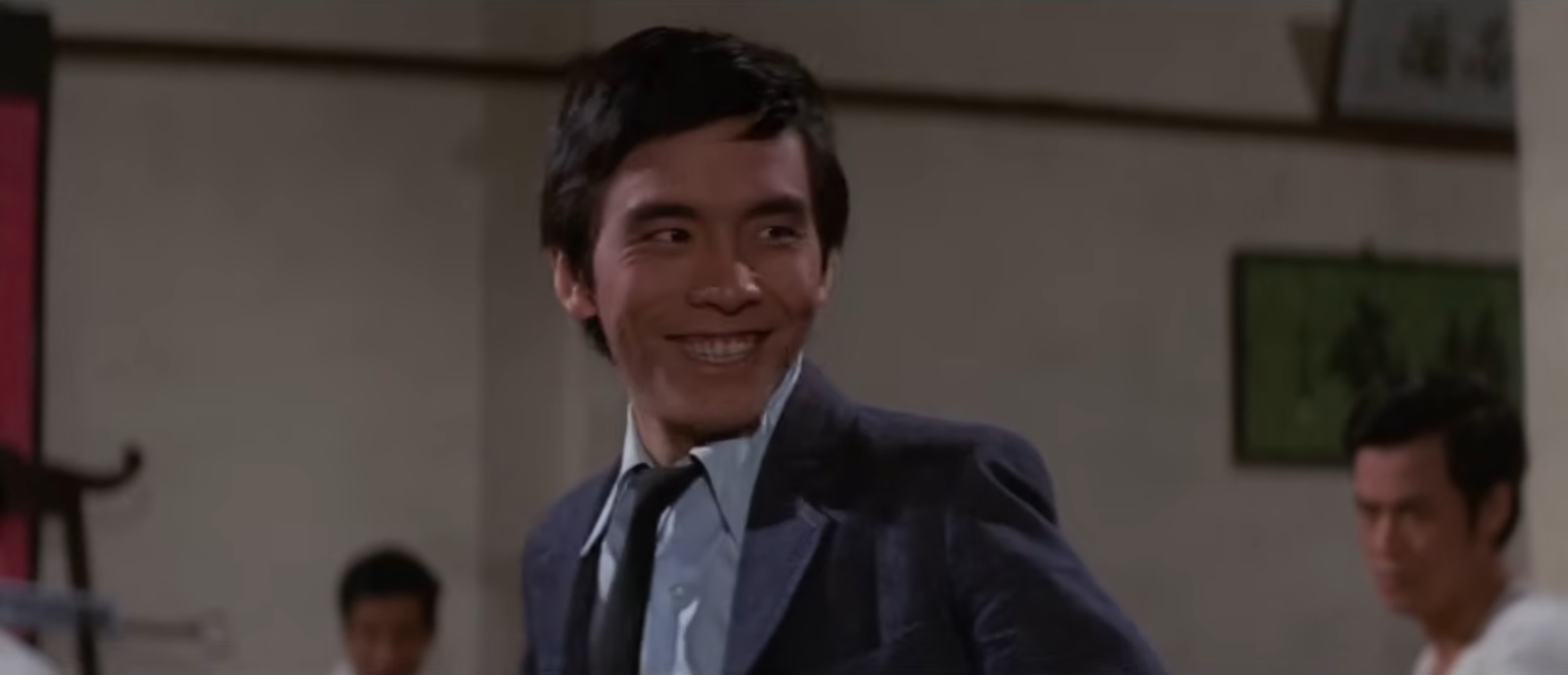 Shaw Brothers even tried (a bit) to make David Chiang look like Bruce Lee
Shaw clearly took this new competitor seriously. They knew the quality Golden Harvest was capable of, as nearly everyone there had previously worked for Shaw Brothers. The studio tried counter programming to battle the upstart, releasing Shaw versions of Golden Harvest films in the week or two before. And in some cases that worked, but nothing could stop the popularity of Bruce Lee.
Lee’s rise is the first crashing wave of something bigger – a growing Cantonese identity. Lee was born in Hong Kong, and though he was mostly raised elsewhere he was still a local hero. The younger folks who flocked to his movies had also been raised in Hong Kong. For them there was no nostalgia for Shanghai, Beijing or other cities that their parents had fled. Mandarin was a second language, not the language they spoke every day. The Big Boss may have been released with a Mandarin dialog track, but it’s a Cantonese movie through and through.
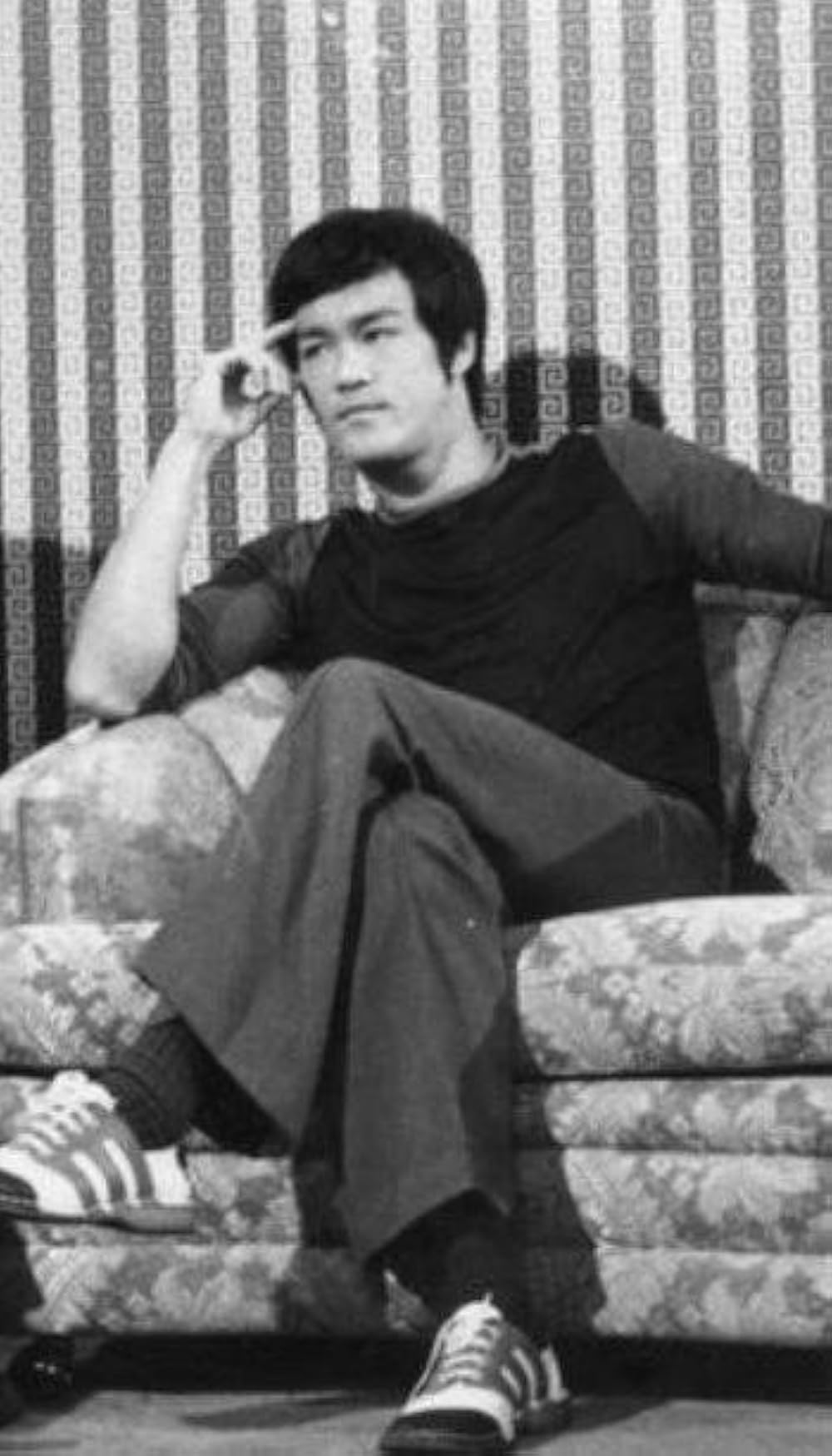 Bruce Lee on the very popular Cantonese TV show Enjoy Yourself Tonight
Though movie theaters showed almost no Cantonese movies in 1971, Cantonese media and Cantonese identity was starting to grow thanks to TV. As the Cantonese film industry shut down some of those actors and crew went to work on Mandarin films, but a lot of them went to TV where free-to-air programming was finally becoming available to the Cantonese speaking population. This will become a bigger topic of discussion in 1973 so I’ll leave it aside for now. But it’s good to highlight its growing importance.
While some of those Cantonese actors and crew did make their way to Shaw Brothers, the faces on the posters of 1971 looked largely the same as they did in 1970, continuing the appearance of a studio where not much had changed.
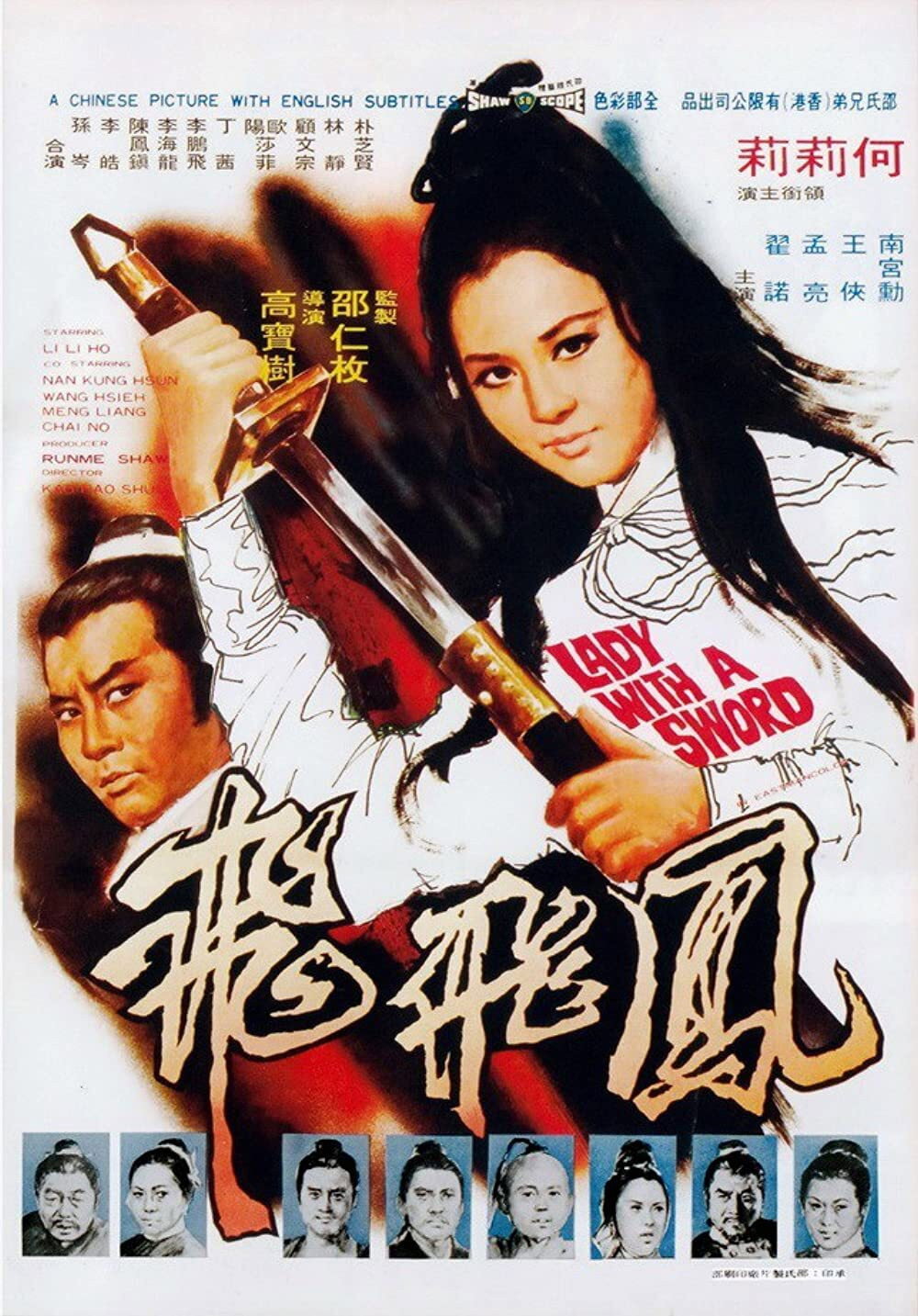 Kao Pao-Shu, Shaw's first female director, left the studio after her debut film
But the crews behind the camera were in flux, especially the director’s chair. A total of nine directors made their first movie with Shaw Brothers in 1971. And at least ten made their final Shaw Brothers movie in 1971. That number may actually be as high as seventeen, as the studio hung on to movies made in 1971 only to release them in 1972 or later.
Not a lot of actors left Shaw Brothers for Golden Harvest in 1971. James Tien is probably the biggest name to depart, and he was not a big name actor at the time. But a ton of behind the scenes talent left, suggesting that the folks on the technical side of production were much less happy about conditions at the studio than the actors were.
Some of these directors, cinematographers, action directors, etc. went to Golden Harvest, some went to Taiwanese companies, some started their own studios. If 27 of the top 50 box office draws of 1971 were from Shaw Brothers, then 23 of them weren’t. Up from 20 in 1970. And that meant there were other opportunities worth pursuing. Shaw Brothers in no longer the only game in town.
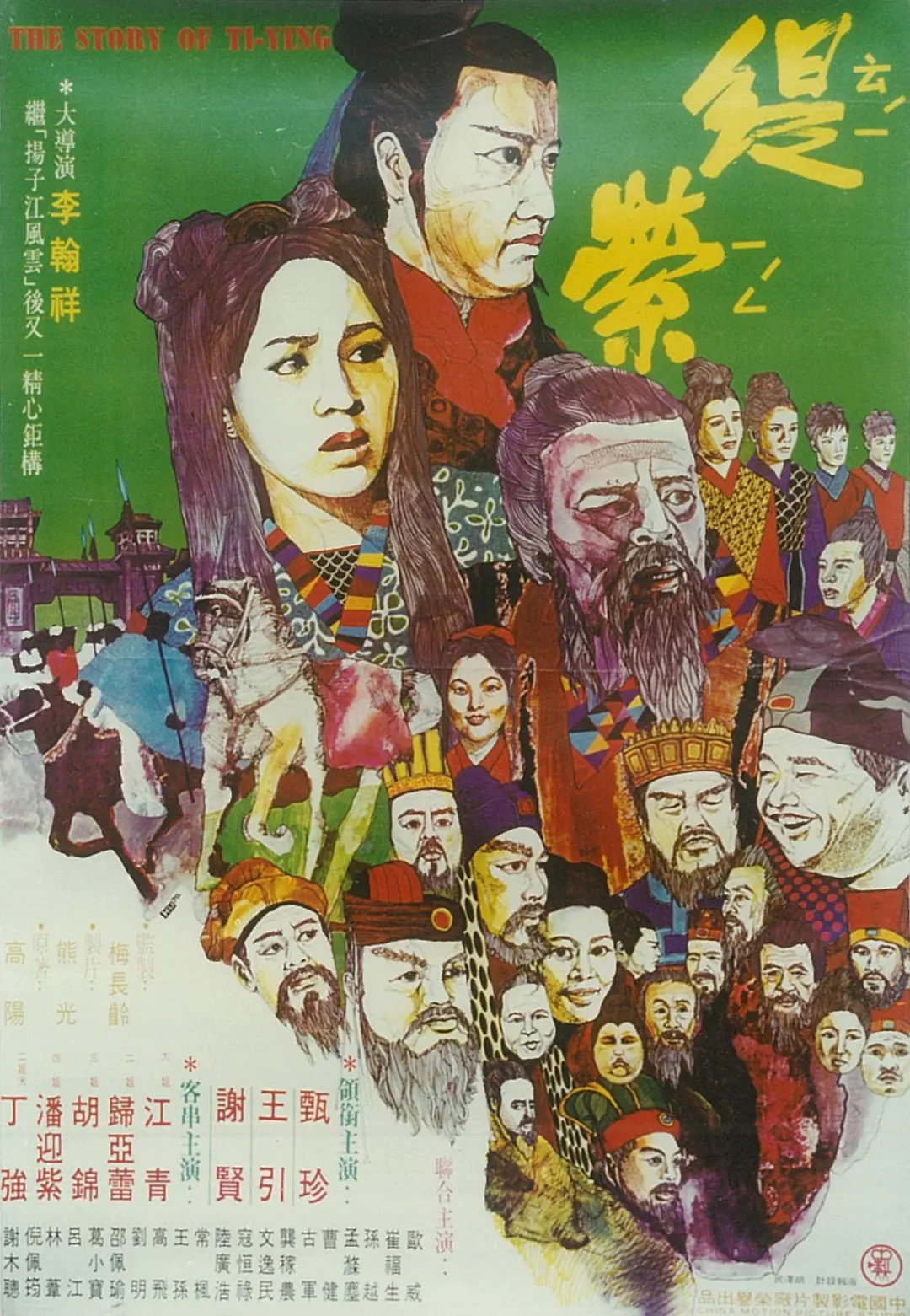 The Story of Ti Ying, one of five non-Shaw films in the top-ten box office of 1971
To understand the significant problem this posed for Shaws requires understanding their economic foundation. Shaw didn’t just make movies, they also exhibited them in theaters they owned throughout Southeast Asia. Ticket sales at those theaters funded the Shaw empire. Most movies played for one to two weeks. So the theaters needed a constant stream of new films to arrive like clockwork.
More than a movie studio Shaw Brothers was a factory, one with very strict quotas. To meet the demand of a new movie every one to two weeks meant that the studio had to make about 35 films a year.
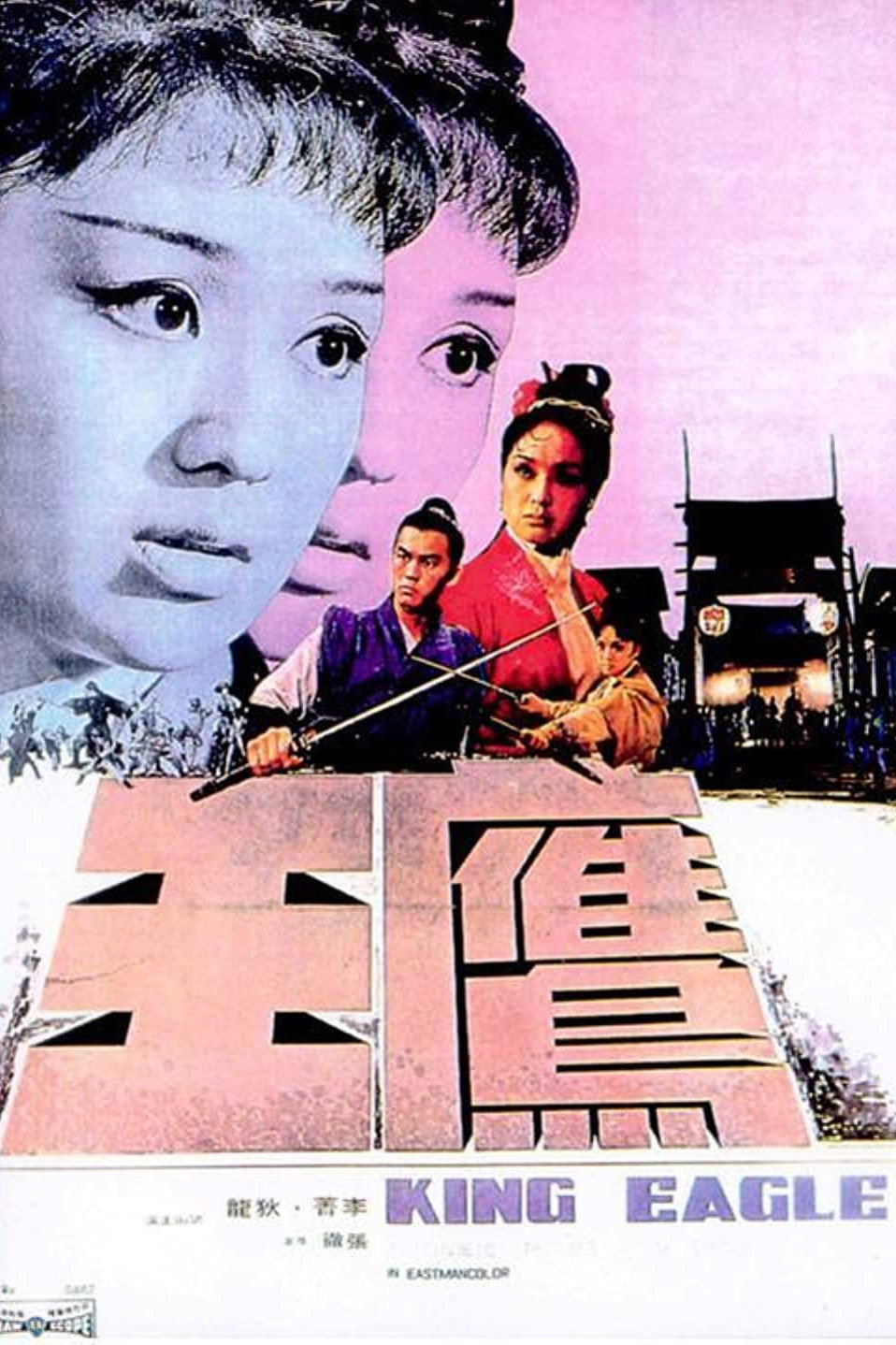 The first of Chang's six films of 1971
Shaw’s most prolific director Chang Cheh could make about six movies a year. But most directors averaged two to four. Factor out the Chang Cheh movies and the studio still needed other directors to make 29 movies a year. If each director is going to make two, then you need 15 directors on staff and working regularly. And if some of your directors are like Sit Kwan or Yan Jun who made one film a year at most, you’re going to need more than 15.
So if ten directors (at minimum) stopped making films for Shaw Brothers in 1971 that is a threat that strikes at their very foundation. Without directors they can’t feed their theaters. As a result they make fewer movies in 1972, and they re-hire some old directors who had tried to strike out on their own. But, more than anything else, the studio comes to rely on a small core of directors: Chang Cheh, Cheng Kang, Chor Yuen, Pao Hsueh-Li, Kuei Chih-hung, and Ho Meng-Hua. Of those six men three had directed their first Shaw Brothers movies within the last year.
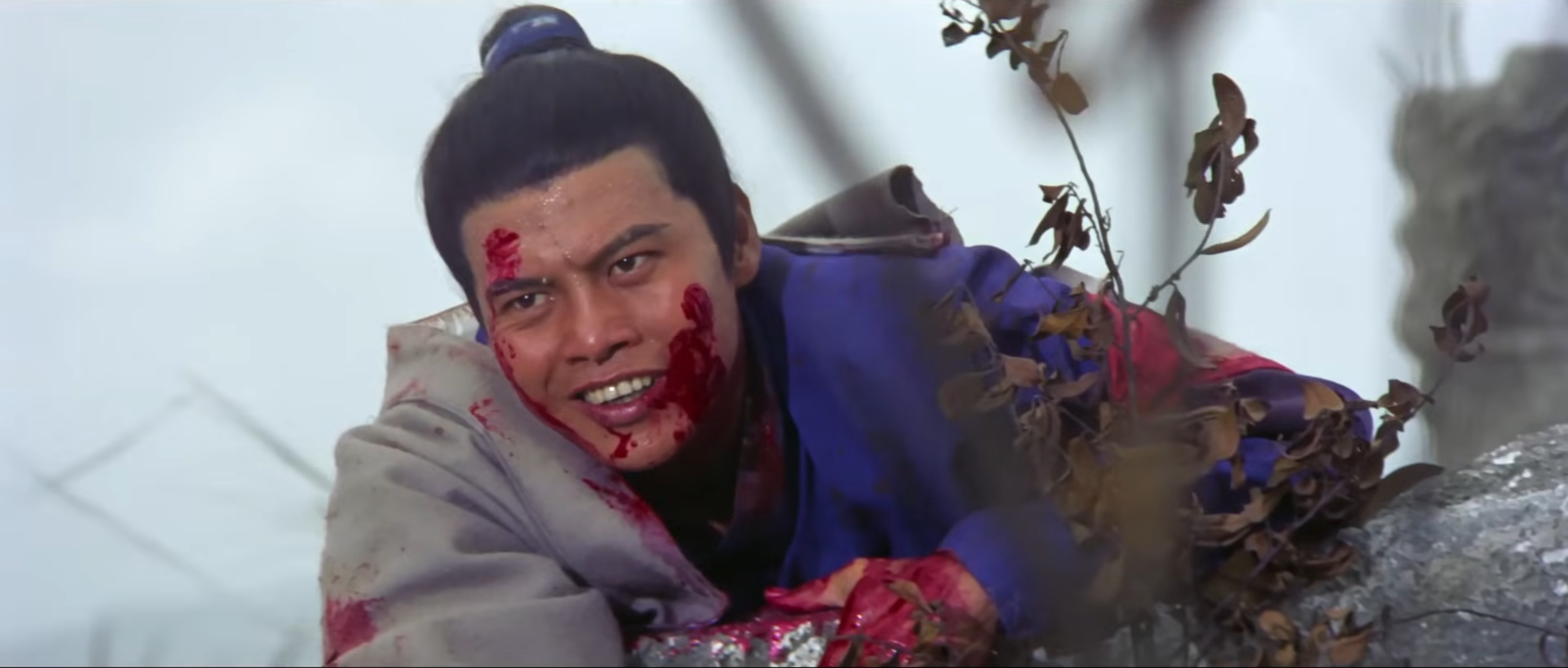 Veteran Cantonese director Chor Yuen started his Shaw career with Duel for Gold
But that’s all to come in 1972. How will this new core of directors shape the studio’s output through the 1970s? How will Shaw Brothers adapt to the world of Bruce Lee and increased competition? How will the dominant Mandarin industry respond to a growing interest in Cantonese representation?
fn1: The box office records I have only go back to 1969. I expect Shaw Brothers had the biggest money earner in 1968, but I can’t prove it.
Ian Whitney
Published: 2026-09-19